


Archery Tips

Why Form and Conditions Matter
Archery is a precision skill that combines refined technique, consistent execution, and awareness of the surrounding environment. Success begins with mastering fundamental mechanics such as proper stance, draw, and release, then repeating them reliably from shot to shot. However, accuracy depends on more than form alone. Effective archers must also read and adapt to external factors like wind, temperature, and changing light, making adjustments without sacrificing consistency.
Adjusting for conditions is essential because environmental factors directly influence both arrow flight and the archer’s ability to execute a clean shot. Wind can push an arrow off course, cold temperatures can affect equipment performance and muscle responsiveness, and shifting light or weather can alter perception and timing. Ignoring these influences means that even well-executed shots may miss their mark. By recognizing and compensating for conditions while maintaining solid archery fundamentals, archers can keep their arrows grouped tightly and achieve reliable accuracy in real-world shooting scenarios. Follow these archery tips to accelerate your game and get the most out of your archery experience.
Archery Fundamentals
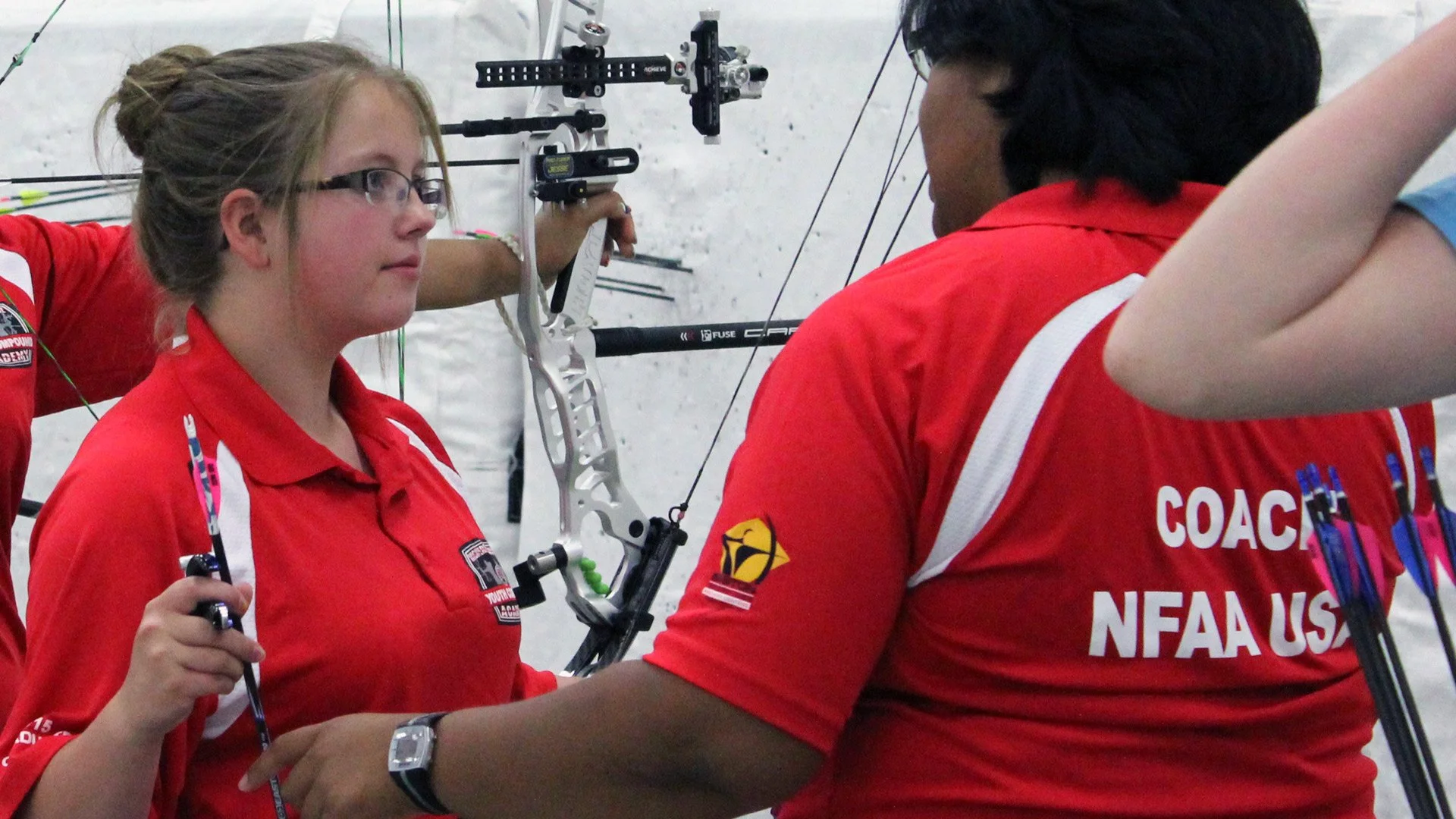
Strong archery fundamentals are the foundation of consistent and accurate shooting. Proper stance and posture begin with stable footing and correct body alignment, allowing the archer to stay balanced and relaxed throughout the shot. Equally important is grip and bow hand position, where maintaining a neutral, relaxed grip helps avoid torque and ensures repeatable results. A smooth draw cycle leads naturally into a consistent anchor point, which is critical for accuracy, followed by a clean release that allows the string to leave the fingers or release aid without disruption. Finally, effective follow-through means maintaining form and focus after the shot, keeping the bow arm steady and allowing the arrow to complete its flight without interference. Together, these fundamentals work in harmony to produce reliable, repeatable shots.

Equipment Setup and Tuning
One of the most underrated archery tips is simply choosing the right bow. Choosing the right bow, arrows, and draw weight is essential for comfort, safety, and consistent accuracy. The best bow is one that matches your experience level, physical ability, and shooting goals. Beginners often benefit from bows with adjustable draw length and draw weight, which allow skills to develop without requiring immediate equipment upgrades. Regardless of whether you shoot recurve, compound, or traditional, proper fit matters far more than brand or price. A bow that matches your draw length and feels balanced in your hands will support good form and reduce fatigue during longer shooting sessions.
Arrow selection should complement your bow setup, particularly your draw weight and draw length. Using arrows that are too stiff or too weak can lead to poor flight and unreliable grouping. Paying close attention to recommended arrow spine, as well as choosing the appropriate arrow weight and durability for your shooting style, helps ensure consistent performance. Factors such as arrow length and fletching size also influence stability, especially in outdoor conditions, so keeping all arrows matched and uniform is important.
Equally important is selecting the correct draw weight. Draw weight should allow you to shoot with control and repeatability rather than sheer force. Pulling too much weight can cause muscle strain, encourage bad habits, and lead to shaky or rushed shots. You should be able to draw the bow smoothly, hold at full draw without shaking, and execute a controlled release. A slightly lighter draw weight that supports clean form and longer practice sessions will consistently produce better results than struggling with excessive poundage.
Proper equipment selection must be supported by accurate bow tuning to achieve the best results. Bow tuning ensures the arrow leaves the bow cleanly and flies consistently toward the target. When components such as the arrow rest, nocking point, cam timing, and center shot are properly adjusted, unwanted arrow movement is minimized and energy transfer is more efficient. Poor tuning can result in erratic arrow flight and inconsistent grouping, even when form is solid, while a well-tuned bow allows technique to translate directly into reliable accuracy.
Fine-tuning continues with basic sight and rest adjustments. Sight adjustments are made to align the point of aim with where arrows are actually impacting, typically by moving the sight toward the grouping rather than altering shooting form. The arrow rest is adjusted to maintain proper alignment and ensure clean arrow clearance during the shot. When both the sight and rest are correctly set, they reduce the need for subconscious compensation and promote consistent arrow flight.
Finally, regular equipment inspection and maintenance help preserve accuracy and safety over time. Frayed strings, loose hardware, damaged arrows, or misaligned components can quickly lead to inconsistent shots or equipment failure. By routinely checking and maintaining gear, archers can address minor issues before they become major problems, ensuring dependable performance and confidence every time they step onto the range.

Mental Focus and Consistency
Maintaining concentration under challenging conditions is essential in archery because consistent performance relies as much on mental control as on physical technique. Archers must execute a precise and repeatable shot process while managing distractions such as weather, noise, fatigue, and competitive pressure, knowing that once an arrow is released it cannot be corrected. When focus slips, rushed shots, over‑aiming, or anxiety can quickly undermine accuracy. By emphasizing the process over the outcome, controlling breathing, and training under difficult conditions, archers learn to stay present and composed. This strong foundation of concentration allows them to adapt, recover quickly from mistakes, and perform reliably regardless of circumstances.
Equally important is the ability to manage frustration and adapt expectations, as archery often involves slow feedback, external variables, and inevitable setbacks. Missed shots, changing conditions, or stalled progress can lead to frustration that tightens muscles, disrupts rhythm, and pulls attention away from the shot process. Successful archers learn to recognize frustration without reacting to it, using it as information rather than letting it dictate their performance. By setting realistic and flexible expectations that prioritize effort, execution, and improvement over perfect outcomes, they maintain emotional balance and resilience. This mindset supports quicker recovery from poor shots and sustained commitment to the process even when results do not immediately align with goals.
A repeatable shot routine ties these mental skills together by providing consistency, confidence, and control in all conditions. A well‑defined routine guides the archer through each phase of the shot, both mentally and physically, reducing uncertainty and limiting the impact of distractions, nerves, or frustration. When challenges arise, the routine becomes a stabilizing anchor that reinforces trust in the process rather than reaction to individual results. Over time, this consistency builds composure and reliability, enabling archers to adapt smoothly, stay mentally steady, and deliver quality shots under pressure.

Practice Strategies
Practicing in varied weather conditions helps archers build adaptability by learning how to adjust technique, focus, and decision‑making when circumstances are less than ideal. Wind, rain, heat, and cold all influence equipment feel, body tension, and shot timing, and repeated exposure to these elements reduces surprise and anxiety during competition. As archers become more familiar with how environmental changes affect arrow flight and personal performance, they develop greater flexibility, confidence, and resilience. This adaptability encourages reliance on a consistent process rather than external conditions, leading to steadier performance regardless of the weather.
Purposeful drills make practice in wind and cold especially effective by reinforcing patience, consistency, and trust in the shot process. In windy conditions, practicing holding at full draw and choosing to let down when the sight picture becomes unstable builds smart decision‑making, while shooting short ends that prioritize grouping over score helps prevent overreaction to wind‑affected results. Maintaining the same aiming point and evaluating shots based on execution cues rather than arrow placement further supports consistency in unpredictable environments. In colder conditions, drills such as beginning without a warm‑up teach archers to maintain form despite stiffness, while shooting in competition‑style layers ensures that anchors and release mechanics remain dependable. Short ends with brief rest periods reflect how cold affects fingers and timing, and intentional breathing before each shot helps manage tension. Together, these approaches strengthen routines and prepare archers to perform with confidence in challenging conditions.
To maximize the benefits of this training, practice sessions should remain purposeful and measured. Clear objectives and appropriate volume keep archers mentally engaged, reinforce proper technique, and prevent the buildup of fatigue or poor habits. Measured sessions also reduce frustration and burnout, allowing archers to leave practice feeling confident and focused rather than exhausted. By keeping practice intentional, repetition becomes meaningful progress, and each session contributes directly to long‑term development.
Safety Tips
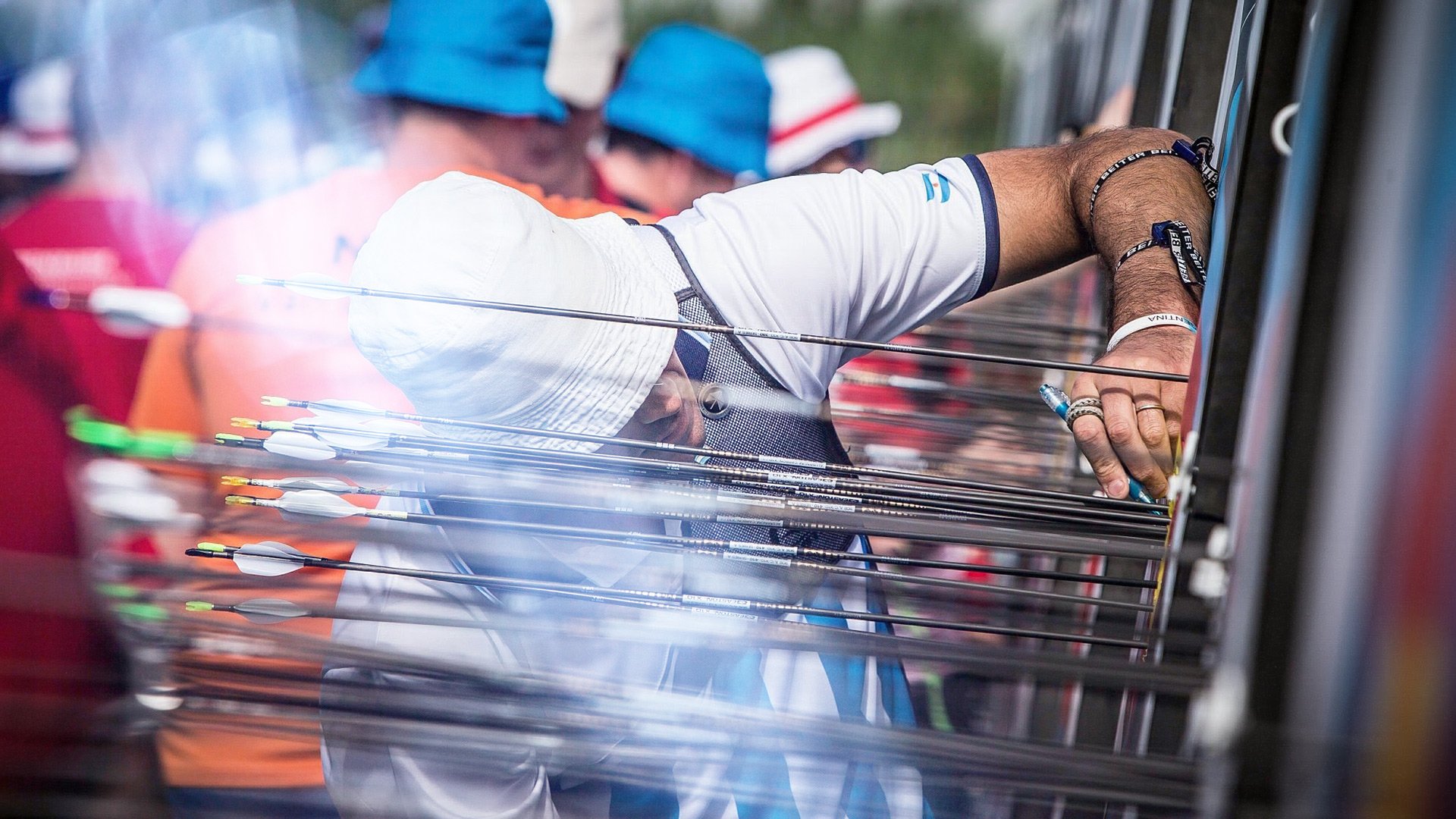
Weather‑related safety considerations are a vital part of responsible archery practice and should guide how and when training takes place. Archers must consistently monitor conditions and suspend shooting during lightning, thunderstorms, or high winds, as metal equipment, unstable footing, and unpredictable arrow flight pose serious risks. Extreme heat calls for proper hydration, sun protection, and regular rest, while cold weather requires appropriate layering to maintain circulation and dexterity without interfering with string clearance or release. Wet or icy conditions can further increase danger by creating slippery surfaces and affecting equipment performance, making frequent equipment checks and secure shooting areas essential. Adapting practice plans to changing weather helps maintain safety while still supporting effective training.
Preventing injury becomes even more important in cold or unstable conditions, which increase the likelihood of muscle strain, slips, and accidents. Cold temperatures reduce muscle flexibility and blood flow, making thorough warm‑ups essential before drawing a bow and regular movement between shots helpful for preventing stiffness. Archers should wear stable, non‑slip footwear and move cautiously on wet, icy, or uneven ground to maintain balance throughout the shot sequence. Clothing and equipment should also be carefully adjusted to ensure layers do not restrict movement or interfere with the bowstring, as compromised form can quickly lead to injury. Taking a slower, more deliberate approach in these conditions helps protect the body and maintain control.
Equally important is knowing when conditions are simply too extreme to shoot safely. Any weather that significantly limits visibility, footing, equipment control, or personal well‑being should be a clear signal to pause, modify, or cancel shooting altogether. Lightning, severe winds, flooded or icy ranges, and dangerously high or low temperatures create situations where the risks far outweigh the benefits of practice. Choosing to stop under these circumstances reflects good judgment, protects long‑term health, and reinforces a culture of safety in which smart decisions are valued as highly as skill and performance.

Key Archery Tips and Takeaways
Effective archery performance is built on a balance of strong archery fundamentals, adaptable technique, mental discipline, and safety awareness. Consistent shooting begins with mastering proper form, including stance, grip, draw, anchor, release, and follow‑through, which together create a reliable foundation for accuracy. At the same time, archers must recognize that conditions such as wind, temperature, and lighting play a meaningful role in every shot. Proper equipment selection, an appropriate draw weight, and regular tuning allow solid technique to translate into dependable arrow flight, while routine maintenance supports both consistency and safety. Mental focus ties these elements together, as concentration, emotional control, and a repeatable shot routine help archers stay composed, recover from mistakes, and perform under pressure. Purposeful, measured practice, particularly in varied weather, further builds adaptability and confidence without encouraging fatigue or poor habits. Prioritizing safety by monitoring conditions, preventing injury, and knowing when not to shoot reinforces responsible decision‑making and long‑term success.
As conditions become more challenging, successful archers learn that progress comes from adaptation rather than resistance. Wind, temperature, and changing light are unavoidable parts of outdoor archery, and fighting them often leads to tension, frustration, and forced execution. Instead, making thoughtful adjustments to aim, timing, and expectations while staying true to sound fundamentals allows archers to remain calm and effective. When conditions are viewed as challenges to solve rather than obstacles to battle, confidence grows and decision‑making improves. Trusting the shot process and working with the environment leads to greater consistency and valuable experience that strengthens performance in any setting.
Ultimately, patient practice and a commitment to continuous improvement are what sustain long‑term growth in archery. Progress is rarely instant and is built through steady effort, reflection, and a willingness to learn from both success and setbacks. By focusing on small, consistent improvements rather than immediate results, archers develop stronger fundamentals, deeper confidence, and greater trust in their process. Patience allows skills to develop naturally, while ongoing improvement keeps practice purposeful and rewarding, leading not only to better performance but also to a more enjoyable and fulfilling archery experience.