


What is Traditional Archery?
Traditional archery involves using some of the world’s oldest forms of bows and arrows, such as longbows and recurves, without modern accessories like sights, stabilizers, or mechanical release aids.
Because these bows rely on natural materials and simple construction, traditional archery emphasizes personal skill, craftsmanship, and historically rooted shooting techniques.
The most common types of traditional bows are longbows and recurve bows, which can be made from a single piece of material or built as composite bows with layered materials.
Why Try Traditional Archery?
Whether you are fascinated by history, inspired by the legend of Robin Hood, or simply interested in the challenge of shooting without a sight or other modern accessories, traditional archery may be the right choice for you.
Traditional archery can mean different things to different people. For some, it refers to shooting a longbow or recurve without sights, stabilizers, or other tuning equipment. Many archers in this group still use carbon fiber arrows or strings made from durable synthetic materials.
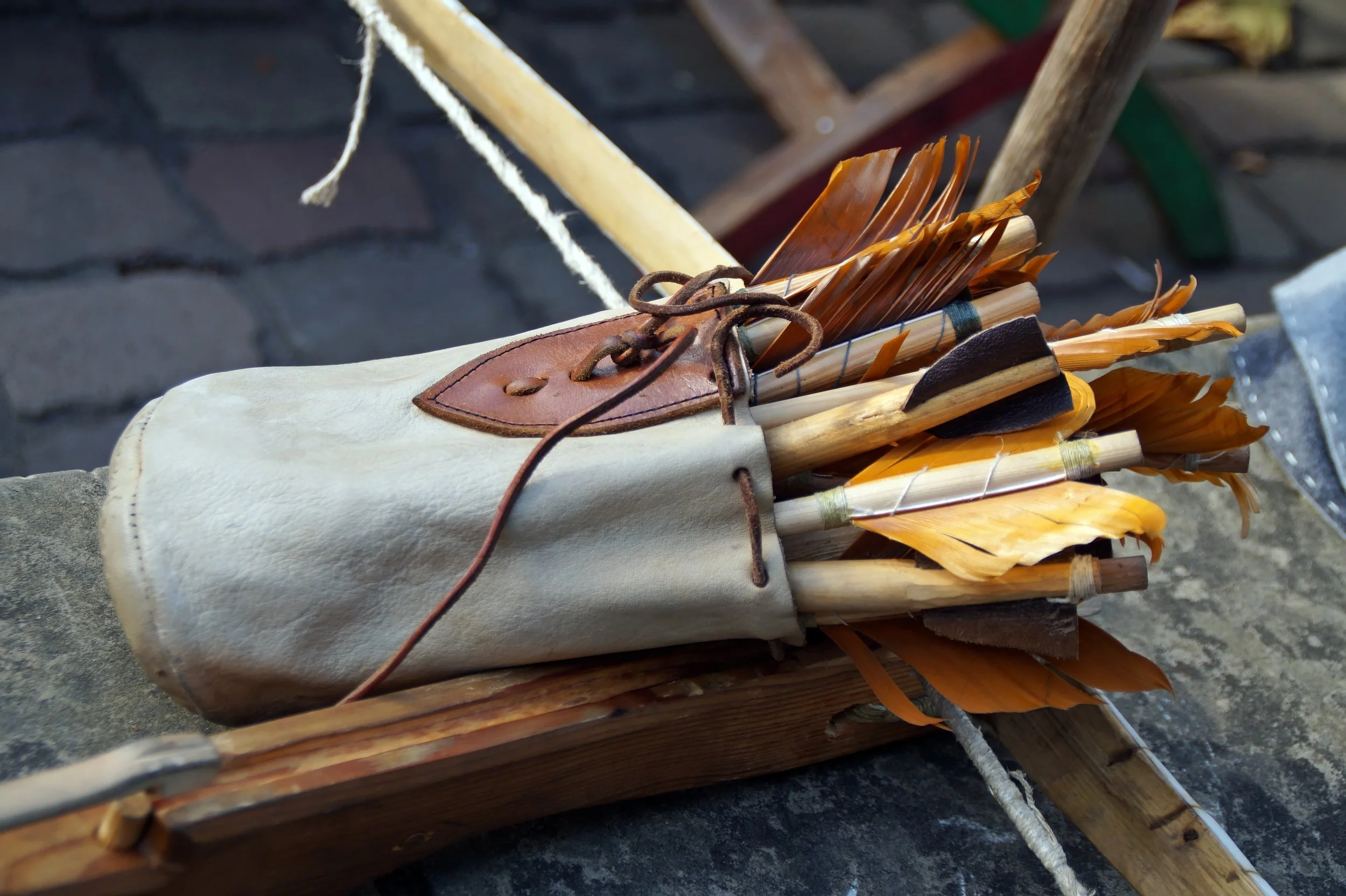
Others believe that traditional archery should involve equipment made only from natural materials such as wood, horn, and bird feathers. While most traditional archers use bows crafted with modern tools and methods, there are also makers who focus on historical accuracy. These archers often prefer gear that reflects older styles, such as leather armguards, gloves, and quivers made from natural materials.
Ultimately, the decision to adopt traditional archery is a personal choice. The best approach is to try traditional archery alongside other forms of the sport so you can discover what you enjoy most.
Types of Traditional Bows
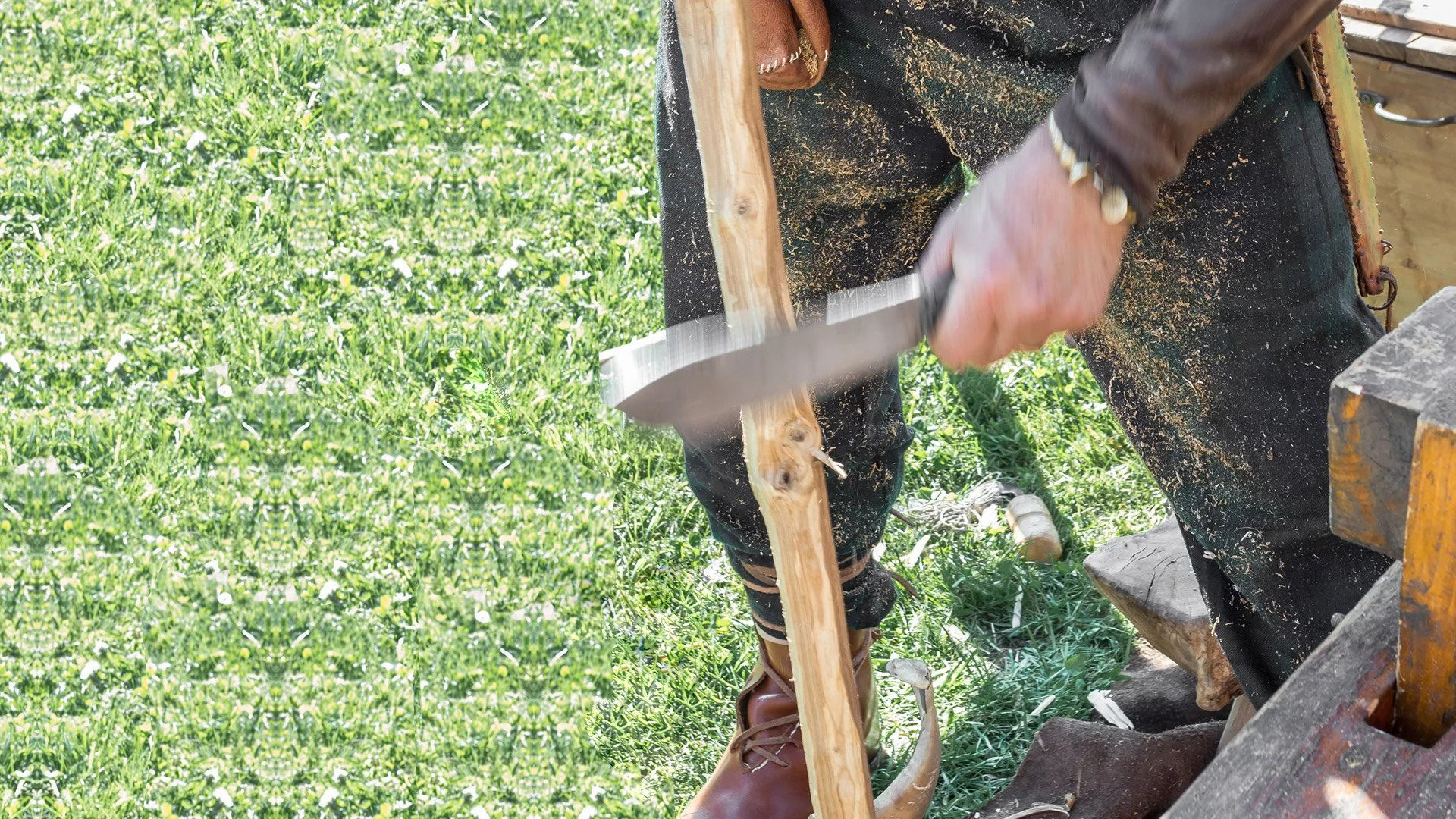
Traditional bows can range from very simple to highly complex. One of the simplest forms is the selfbow, which is crafted from a single piece of wood. The selfbow is the oldest known type of bow and has been discovered in many regions around the world. Its widespread presence may be due to the fact that it can be made from many varieties of wood using only basic chopping, scraping, and shaving tools, and it can be completed relatively quickly. However, the quality of selfbows can vary significantly, and if they are allowed to dry out, they may become brittle and could splinter or break when drawn.
A more advanced traditional design is the longbow, a tall bow that allows for a long draw. Longbows used for hunting and warfare have been built from many different woods across numerous cultures, and they are among the oldest bows in human history. Early longbows were often selfbows made from a single stave, but many modern longbows are composite or constructed from several pieces of wood joined together.
An even more sophisticated example is the composite recurve bow, made famous by the Mongolian armies of Genghis Khan. These bows were also used for flight, or long-distance, shooting, by Turkish archers of the Ottoman Empire. When unstrung, a traditional composite recurve forms a distinctive C-shape. It is built from three primary components bound together with animal glue: a wooden core, a layer of horn on the belly facing the archer, and a layer of sinew on the back.
Neither selfbows nor traditional composite recurves are common in target, field, or 3D competitions, so it is a good idea to contact the tournament director before signing up.
Traditional Archery from Around the World
Some archers feel a powerful connection to history when they practice traditional archery. The question then becomes a personal one: what kind of history excites you most? Some people are drawn to bows with an exotic or unfamiliar design, while others prefer a style connected to their cultural or family heritage.
In most target or field archery competitions, only longbows and recurves with draw weights under 60 pounds are permitted. These bows may be made from modern materials, but they cannot include stabilizers or a sight.
Many archers who are new to traditional equipment wonder how they can aim accurately without a sight. The most widely accepted method is known as instinctive shooting, which is similar to throwing a stone using feel and natural coordination rather than a precise aiming reference. Other aiming methods, such as string walking or gap shooting, are not allowed in traditional competition categories.
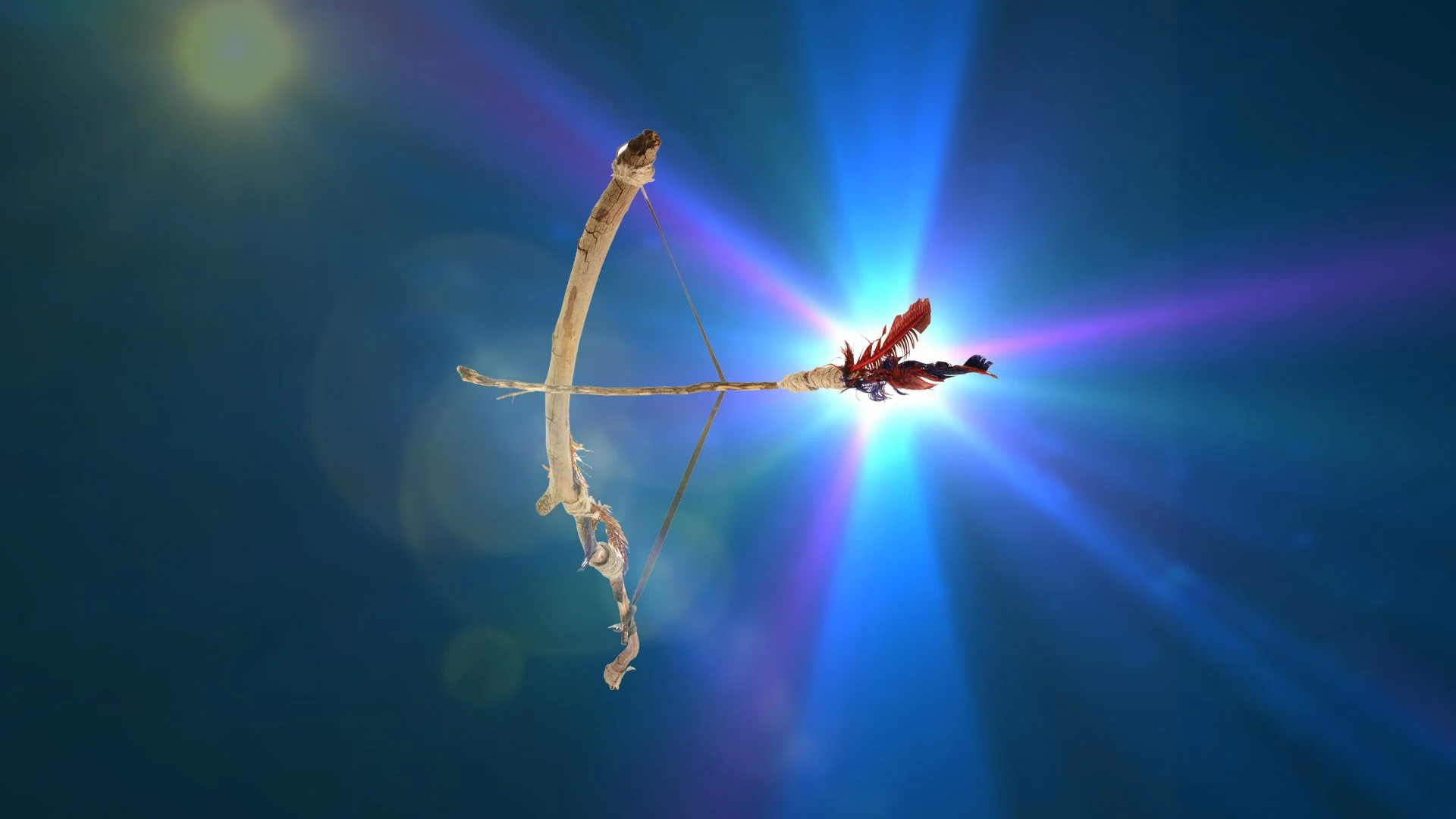
There are many traditional bow styles worth exploring, each with its own aesthetic appeal and historical significance. Here are several classic examples you may enjoy learning about:
English or Welsh longbow
Japanese asymmetrical longbow used in Kyudo
Mongolian recurved composite bow
Native American flatbow, used by tribes such as the Hupa and Karok of California and the Wampanoag of Massachusetts
Selfbows from Indigenous cultures across Africa, Central and South America, Oceania, and Australia

Re-enacting History
Historical shooting techniques, which often mirror the methods used by ancient cultures for both hunting and warfare, hold particular appeal for traditional bowhunters. These techniques emphasize fluid body mechanics, intuitive aiming, and efficient movement, all of which can be valuable when navigating natural terrain or tracking game. Many hunters find that learning how past cultures shot their bows helps them develop a deeper understanding of timing, distance, and instinctive accuracy.
Beyond hunting, some archers enjoy immersing themselves in historical reenactment as a complement to more modern forms of target, field, or 3D shooting. One of the most popular organizations dedicated to this pursuit is the Society for Creative Anachronism (SCA), which focuses on studying and recreating aspects of Medieval European life. Archery within the SCA is practiced in a variety of settings, including tournaments, educational demonstrations, and combat scenarios where safety restrictions guide equipment choices. For these activities, archers typically use longbows or recurves with draw weights under 30 pounds, along with arrows tipped with padded or blunt heads designed for controlled, non-lethal impact.
The SCA also maintains a structured archery community that supports skill development through classes, mentorship, and ranking systems. Many local chapters host regular practices where newcomers can learn proper form, range etiquette, and historical techniques tailored to different periods or regions. In addition to combat archery, the organization offers target-based competitions that allow archers to explore accuracy and consistency within a historical framework.
To learn more about events, beginner programs, or their approach to teaching archery, visit the Society for Creative Anachronism’s website, where each regional group shares its own schedule of practices, workshops, and competitions.